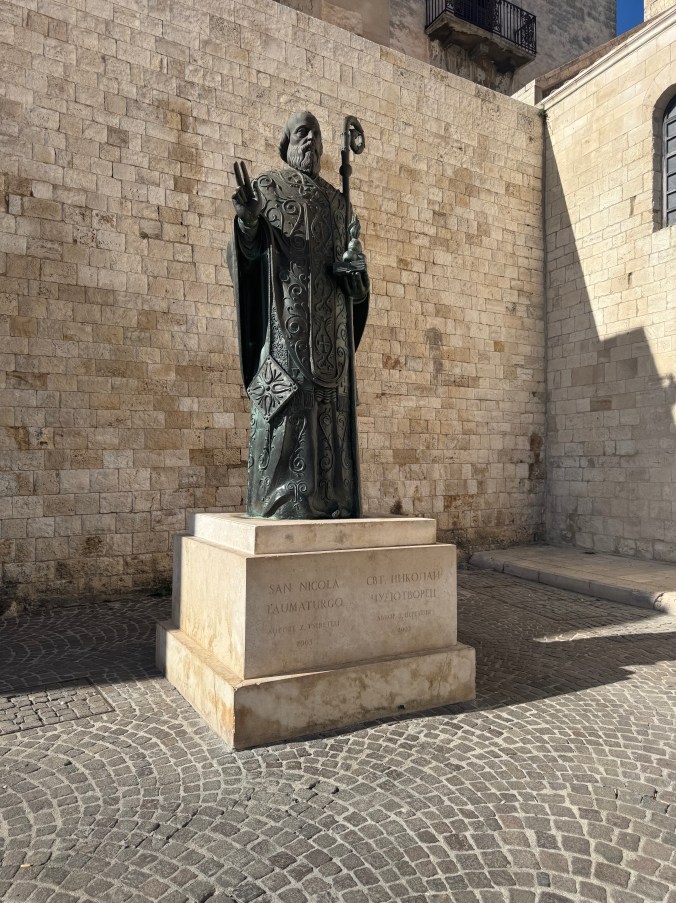
When my older daughter was 9, I decided that I wanted to tell her about the REAL St Nicholas. In doing the research, I became a huge fan! Here is the website I used back then, in 2007, to create a small booklet to show her. Born to wealthy parents, he used most of his inheritance to take care of others. Known for his deep faith, and incredible generosity, every account of his life speaks of his deep devotion to Christ and service to others. I was very excited to learn his remains are laid to rest in the town of Bari, which we planned to visit.
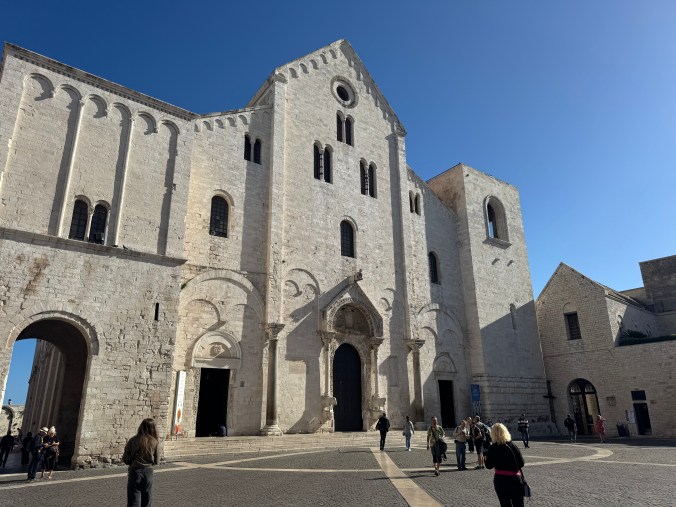
The St Nicholas Center website says that the majority of his remains, which are considered relics, are located in the tomb we visited here, in a crypt in the lowest part of his basilica in Bari. I’ve linked the page about it there.
- Side note – It is said that it was a sailor who discovered his remains in Venice, and carried them to Bari. In the sailor’s haste, he left a few small bones behind. Those bones still remain in Venice, at the Lido of Venice: Chiesa di San Nicoló (Roman Catholic). His upper arm (humorous bone) is at Rimini: Chiesa di San Nicolo’ al Porto. Beyond this, there are 25 other countries listed which all lay claim to other “first class relics”. It’s an interesting list! For instance, there’s a church here in the US, in Washington DC, at the Russian Orthodox Cathedral of St. John the Baptist that houses 2 bone fragments and part of the coffin.
Surely to goodness his soul and spirit are located in Heaven in spite of where his bones and possessions are scattered.
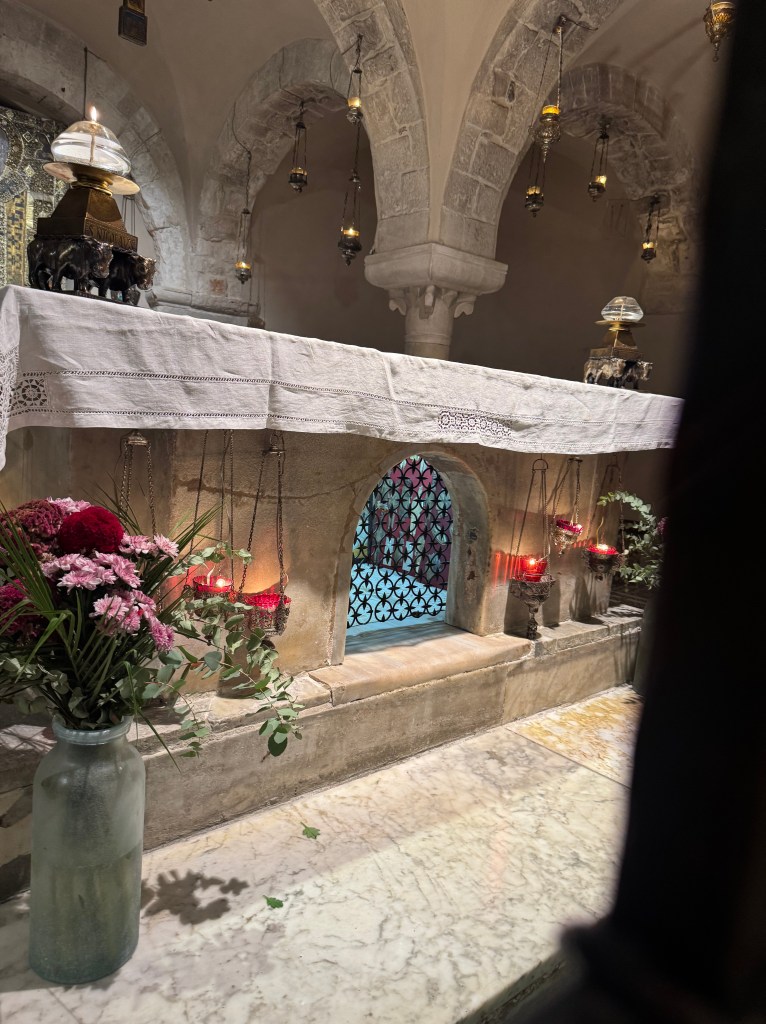
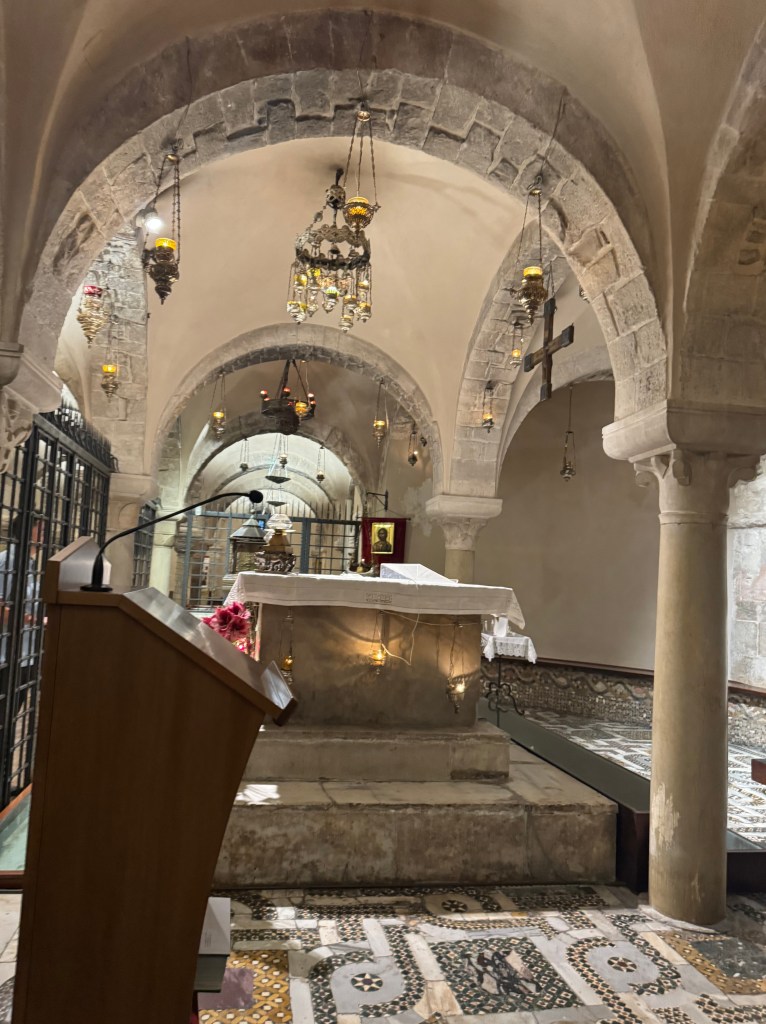
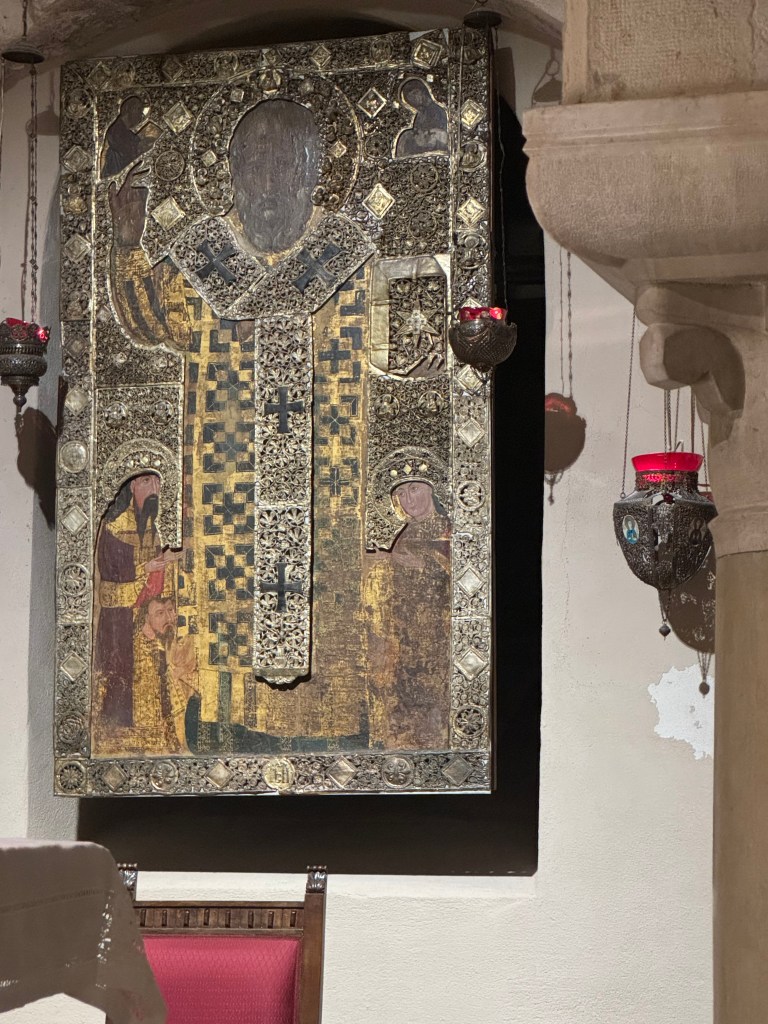
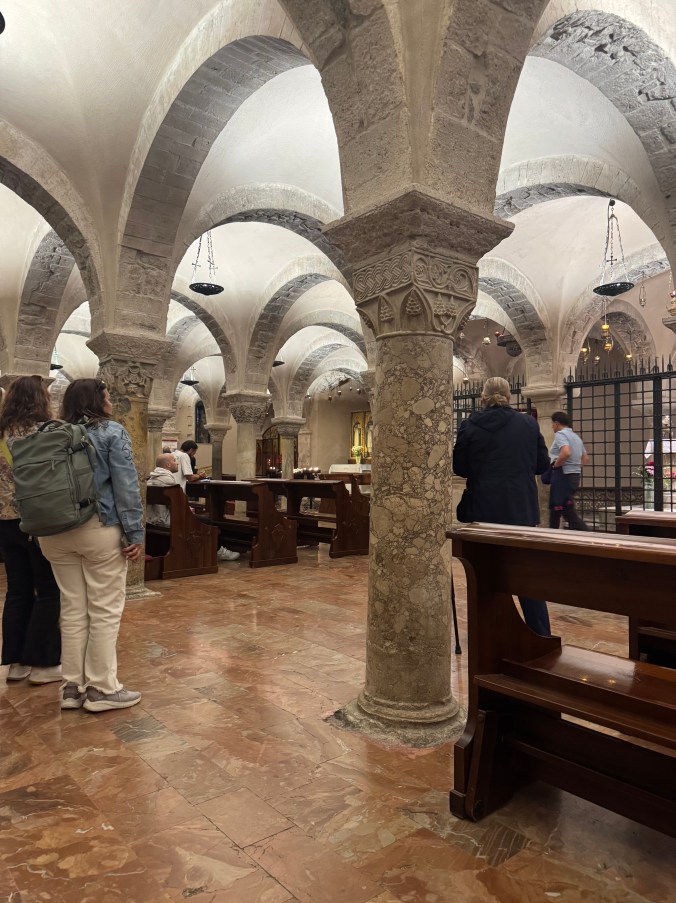
His crypt is actually beautiful. There are several altars along the wall, and there is a glassed-off room that looks to be filled with letters. (I could not get a good photo of it, and deleted all that I had). It is fascinating to read about the lore surrounding the miracles of his weeping bones. St Nicholas bones here in Bari, are famous for exuding a clear “consecrated” liquid. Known as “the manna of St Nicholas” It is collected each year on May 9, and is believed to have healing properties. Of course there is a scientific explanation, however, many still find it to be miraculous even knowing the science. To this day people make pilgrimages to visit the crypt and pray for miracles and healing.
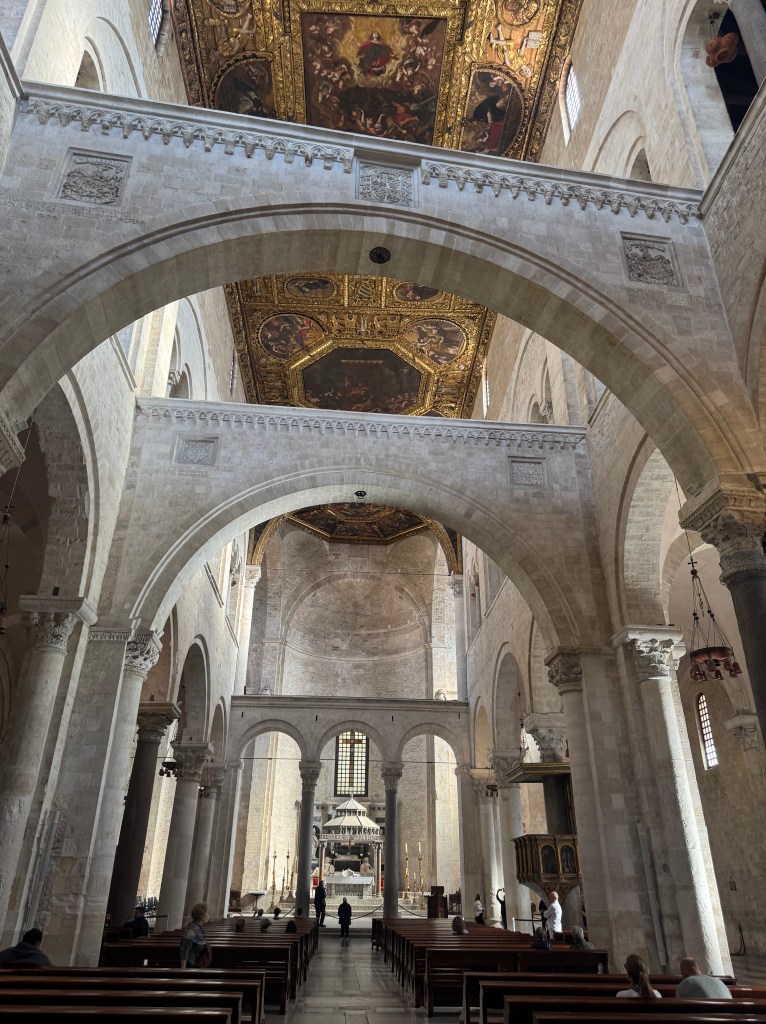
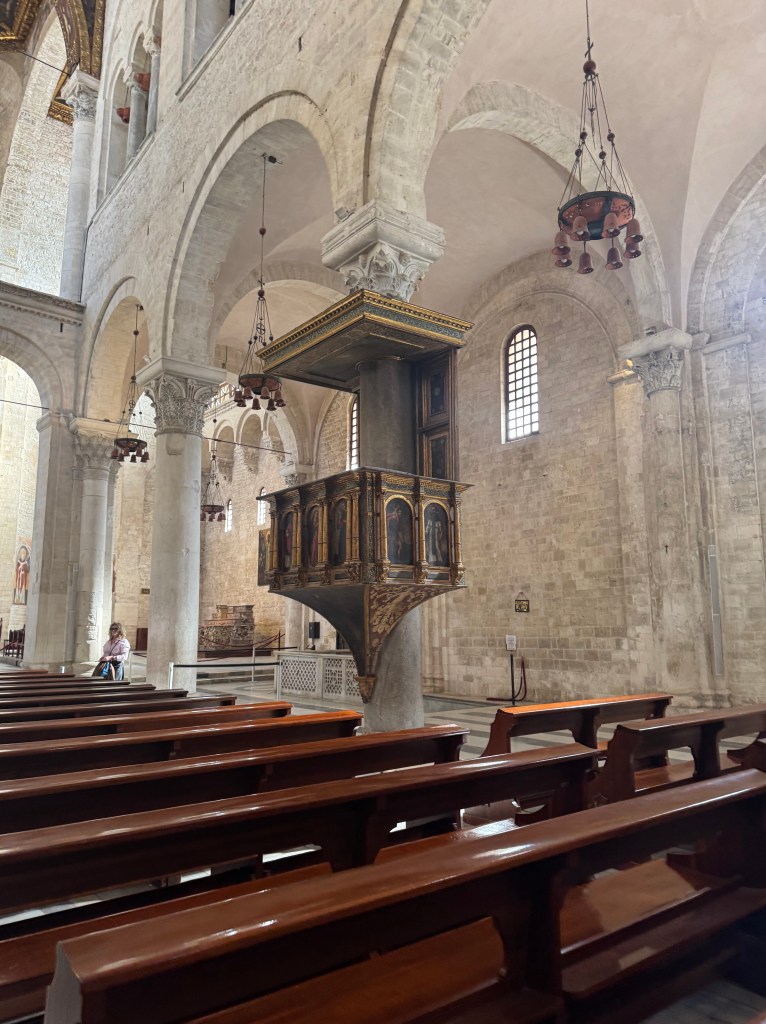
The Basilica is beautiful as well:
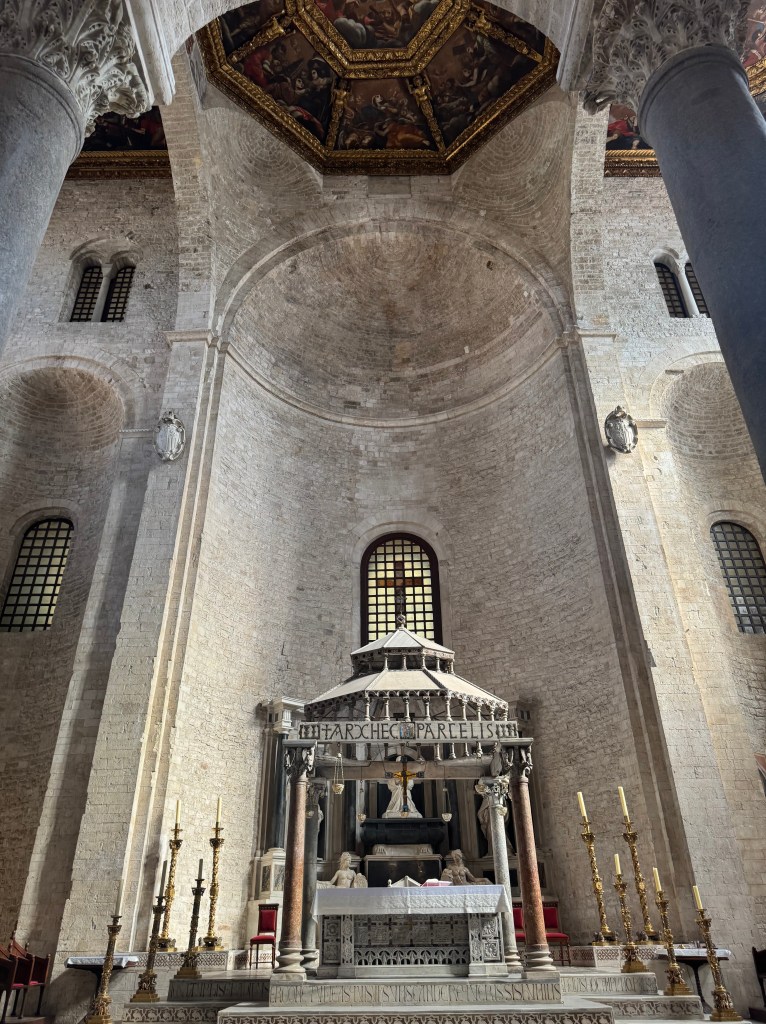
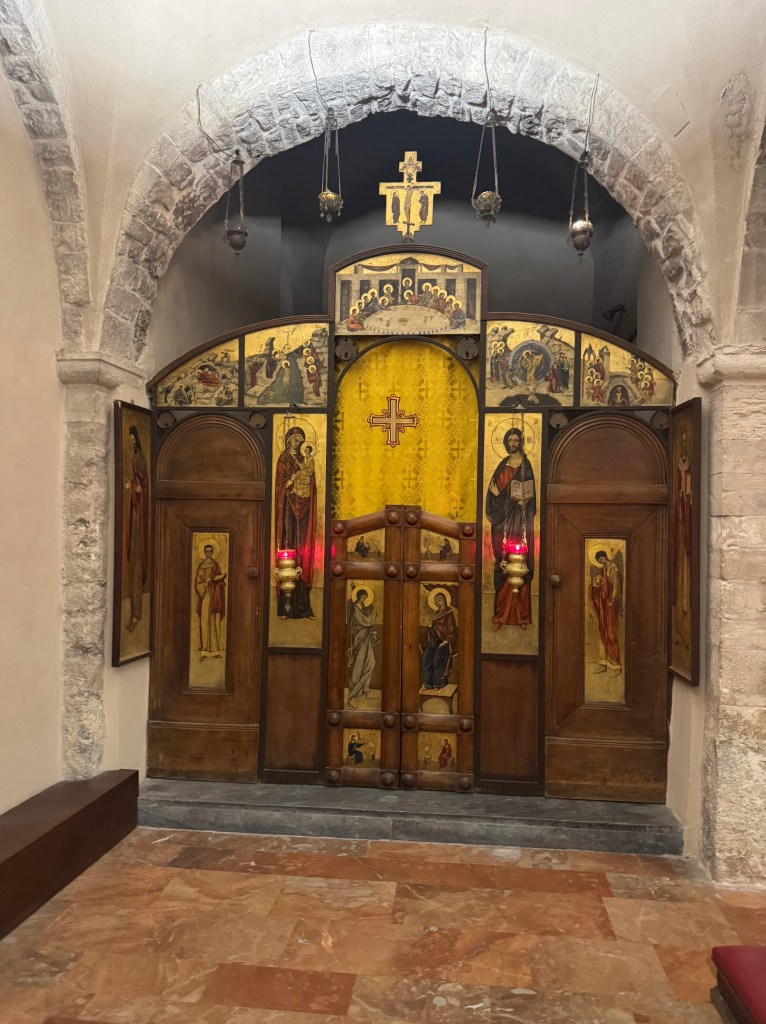
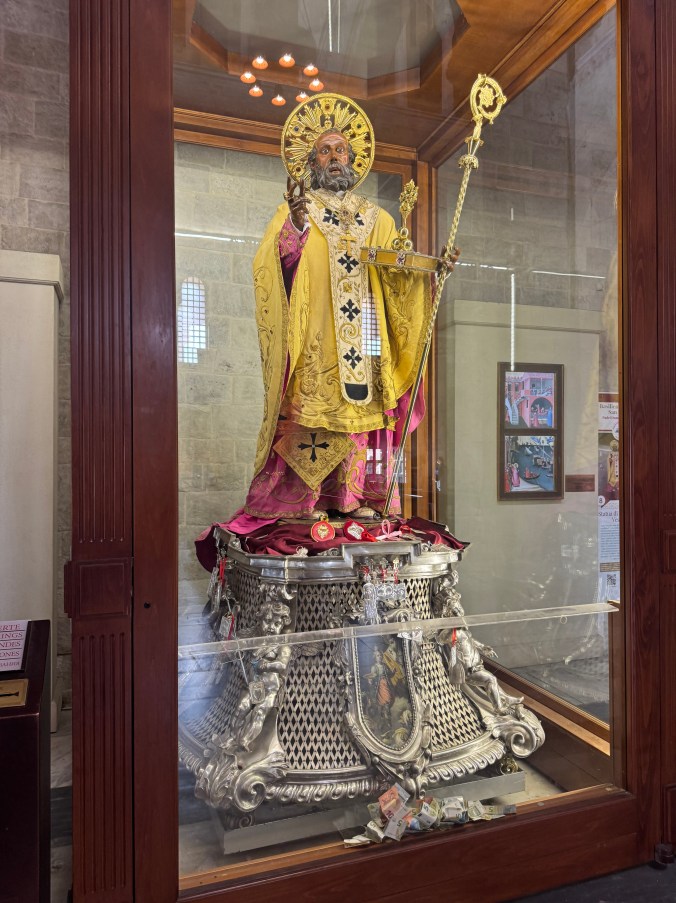
After spending ample time with Saint Nicholas, we were hungry. As it is a coastal town there is a lot of seafood offered in the town of Bari but I really wanted some more pizza.
We had a great table in an outdoor cafe and beautiful weather.
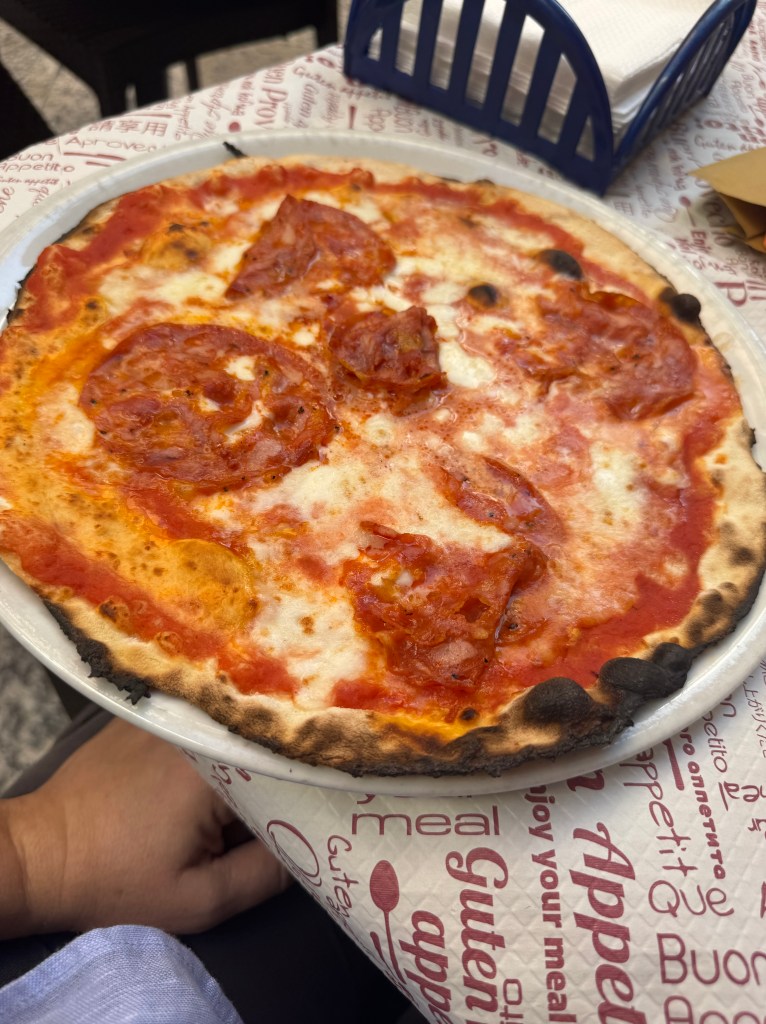
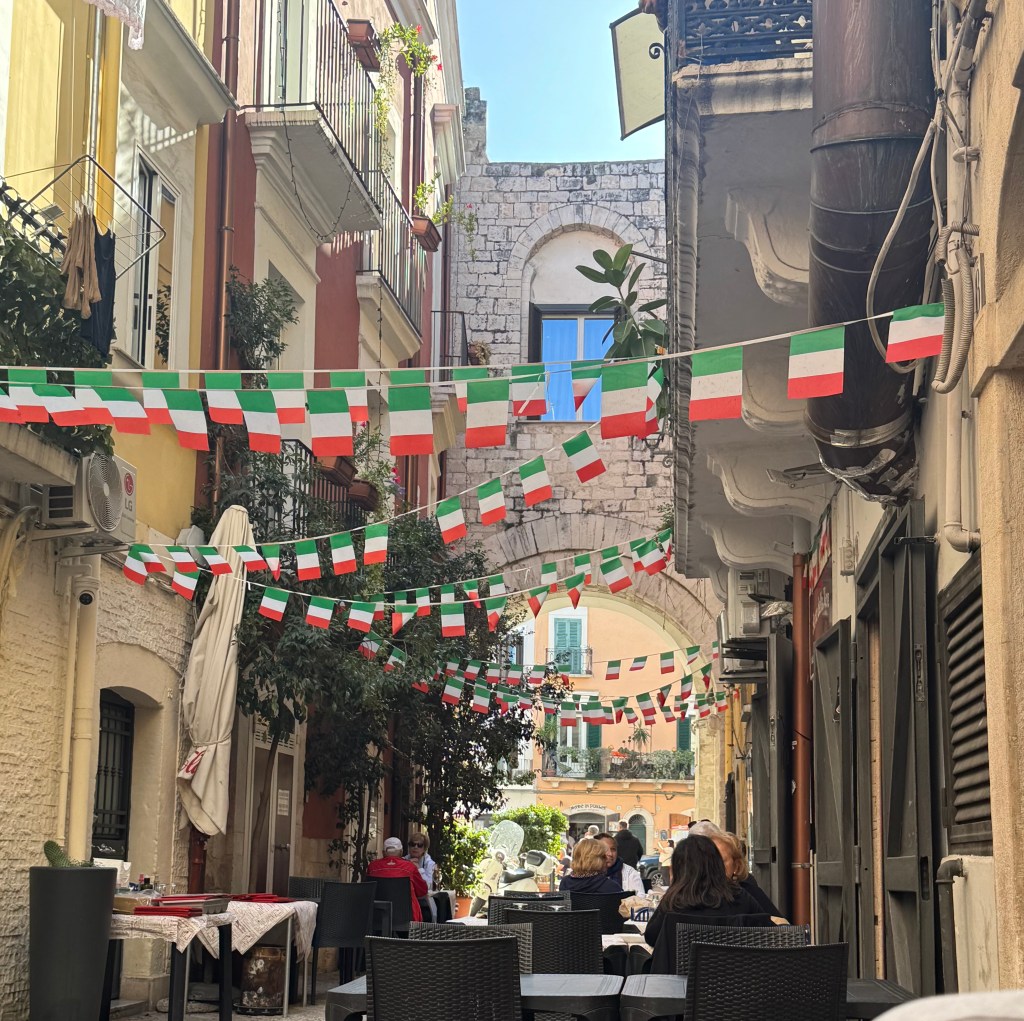
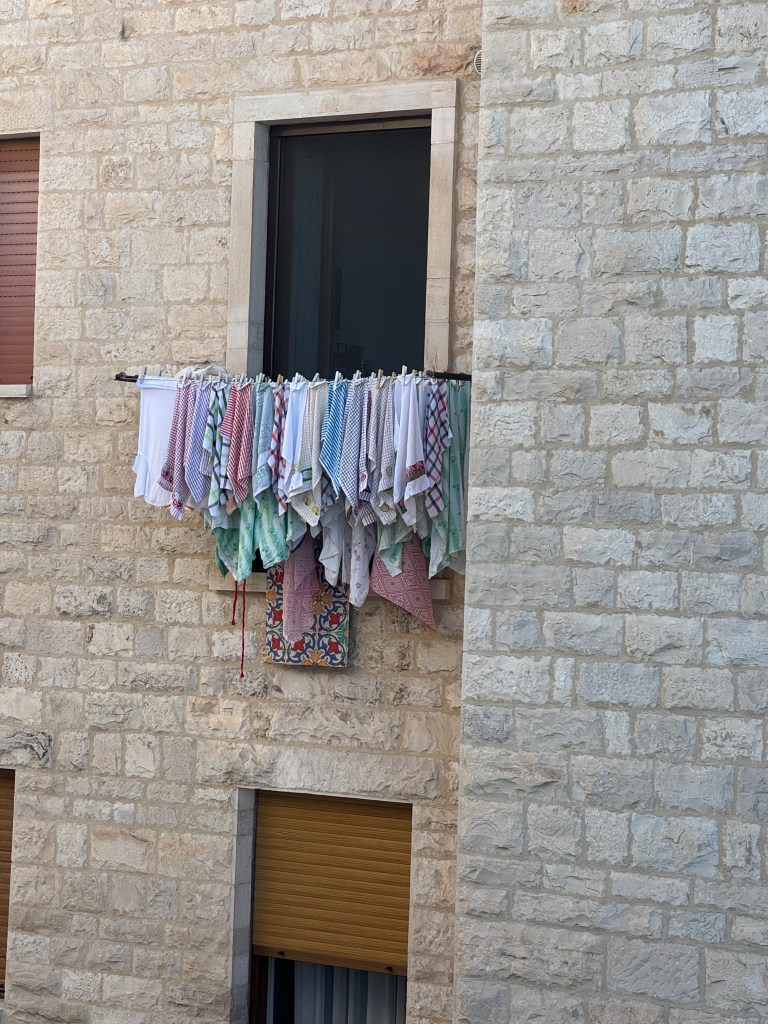
After lunch, we strolled around and looked at the Centro Storico, or old town. I was completely charmed. By the linens and tea towels drying on racks in the windows.
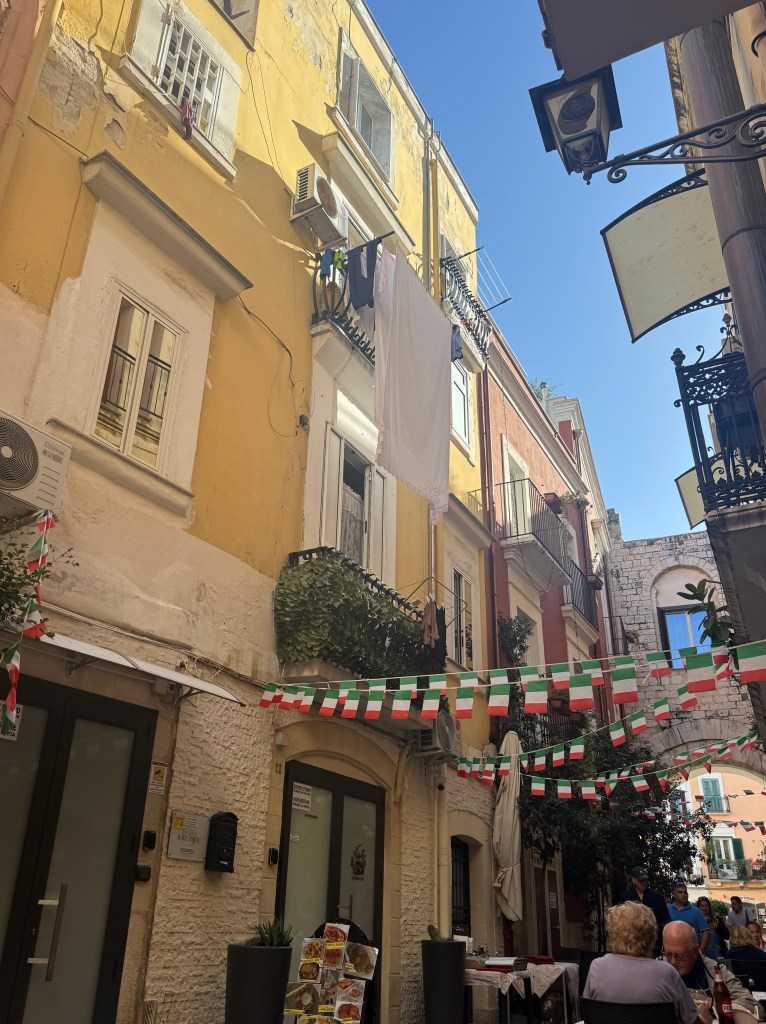
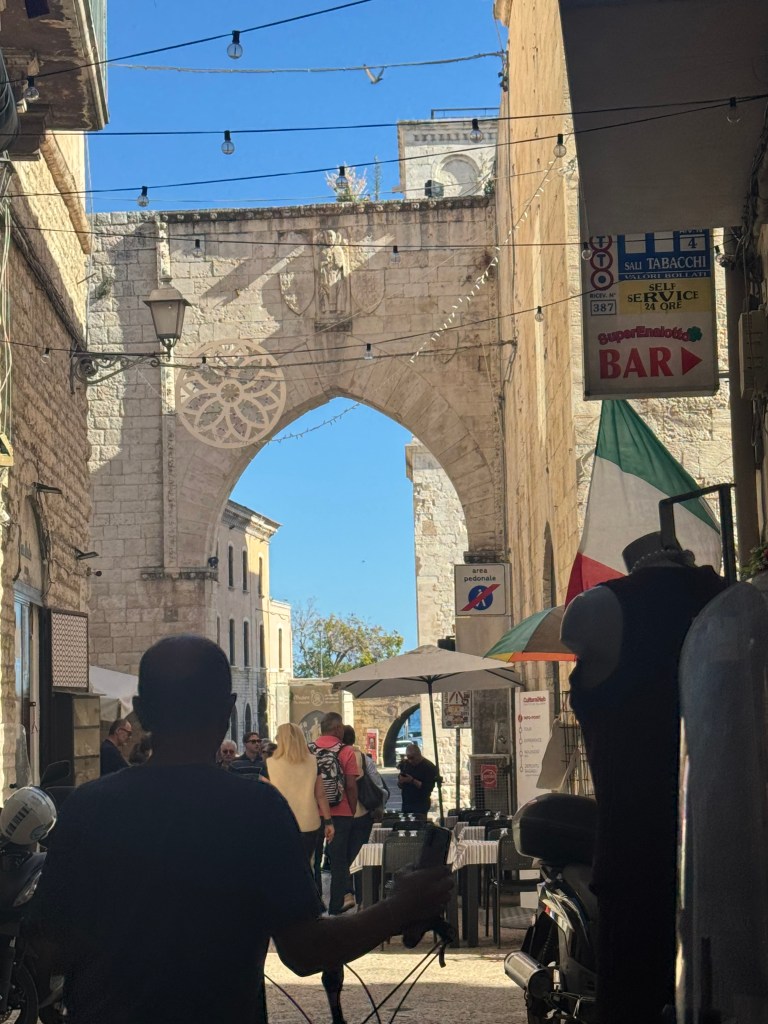
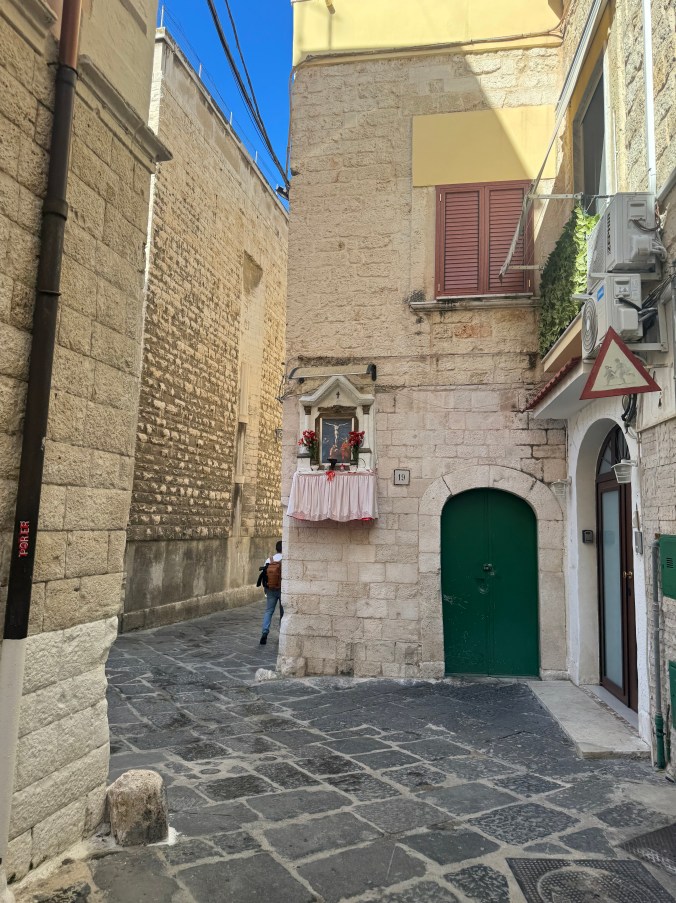
As Bari was only our 2nd town to see outside of Rome, we were taken with its charm. Particularly the small shrines that were hidden along side streets called Madonnelle. I linked some information about them there – but here’s a small excerpt from the site
“ Italian Madonnelle – or street shrines – can trace their origins as far back as ancient Rome. The tradition began with ancient lares (paintings or statues of domestic Roman deities) placed at crossroads (or compita) to guard passersby. Roman legend held that demons from the underworld would crawl out of the depths of Tartarus to haunt pedestrians in the evenings, and the lares were meant to provide protection and fend off evil spirits. When Rome converted to Christianity and pagan practices began to decline, the lares were replaced with Madonnelle, miniature street shrines devoted to the Virgin Mary.”
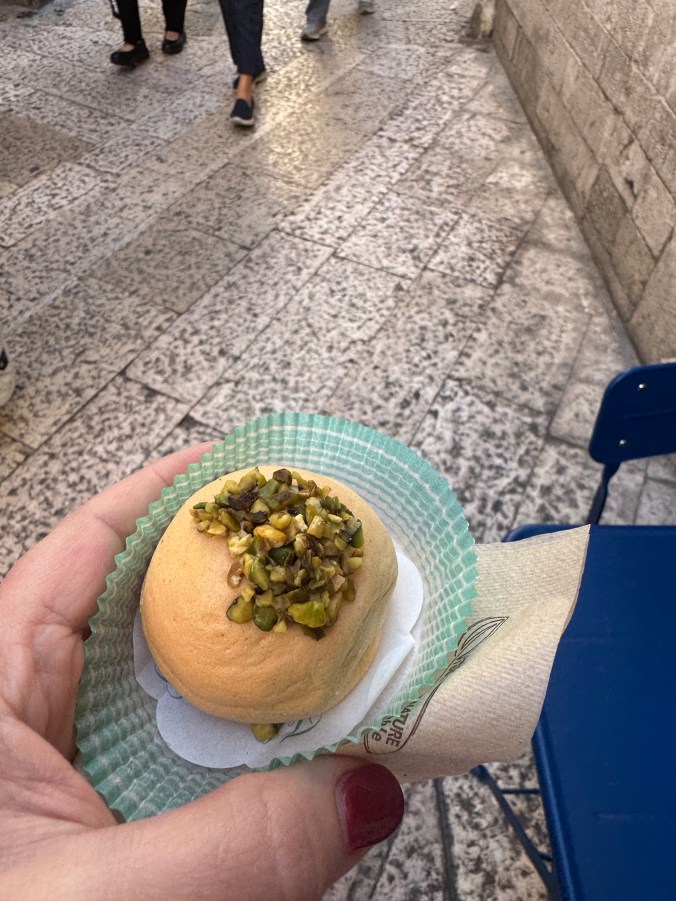
A quick pastry stop for a pistachio treat:
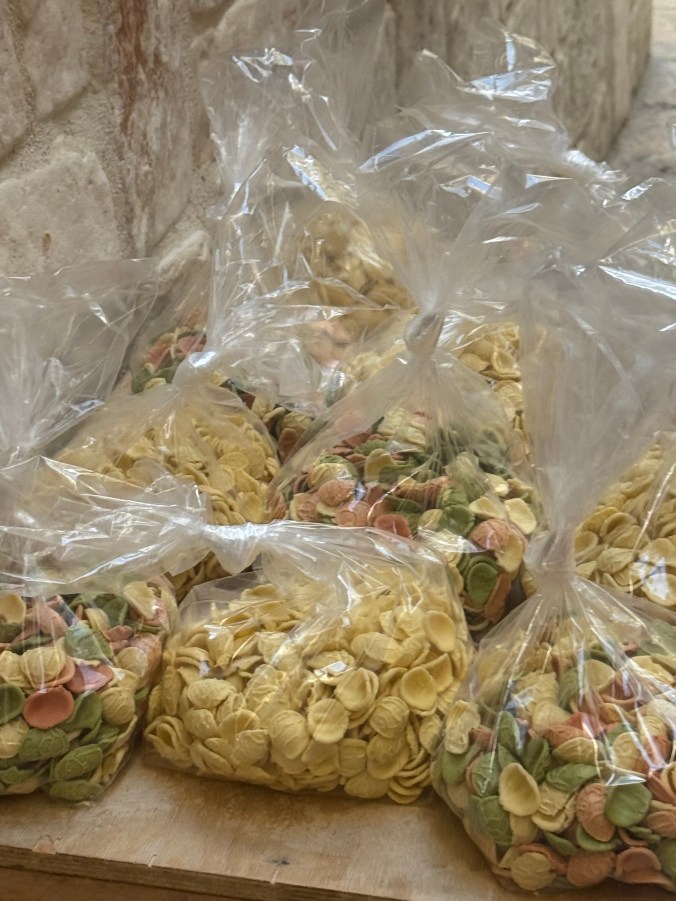
Strada Arco Basso in Bari’s old town, ( Bari Veccia) is where to find fresh orecchiette being hand made, sold, and served for lunch. This activity takes place daily between 10a and 2p. It is not a staged attraction or tourist performance, and is said to be part of daily life.
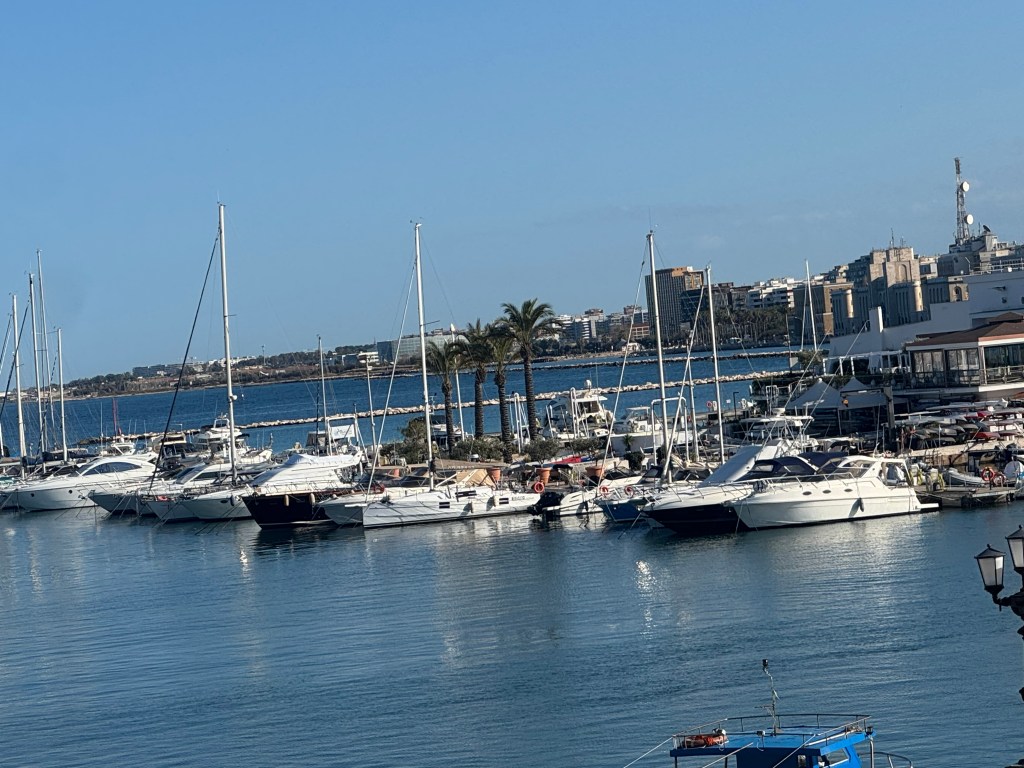
The last thing I want to mention about Bari, is the parking. There’s not a lot of parking outside of Bari Veccia. We parked in a paid parking lot with one of the parking meter machines in the middle of the lot. We had to figure out how to navigate it in real time, and it took us about 20 minutes to get it worked out. The language of course was in Italian, and we had to use Shannon’s phone to take photos of the screens using Google translate to figure out what to do. In the end, it printed a ticket for our dashboard which gave us a couple of hours of parking for a few Euro.
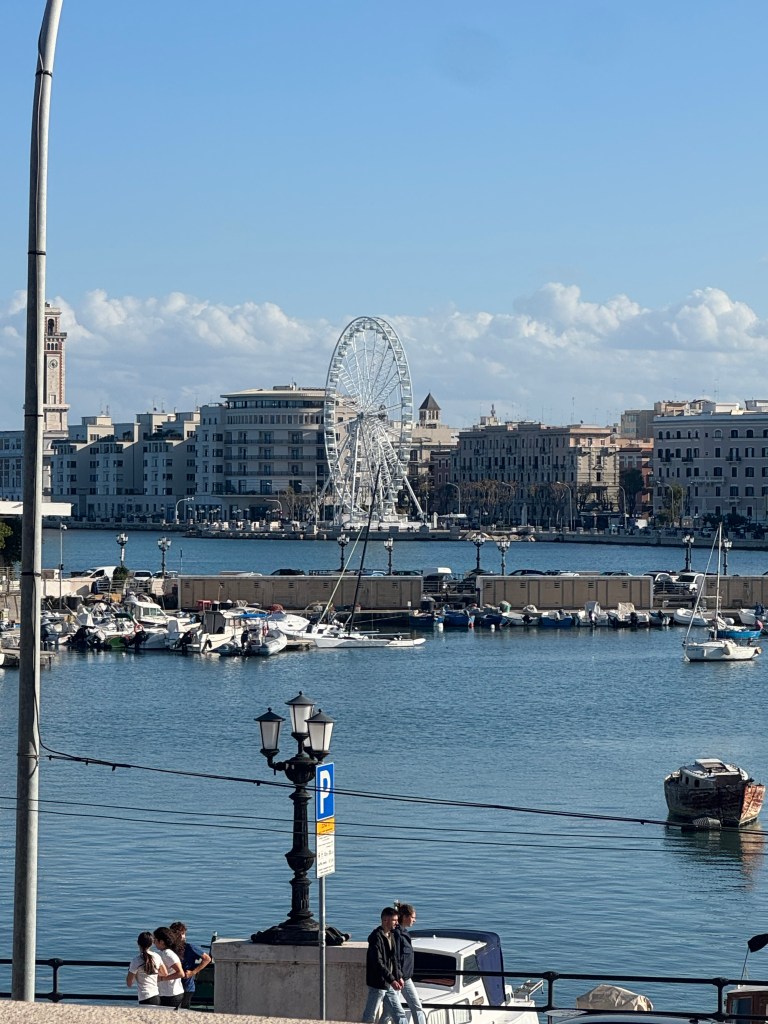
Fortunately, the parking lot was a short walk from everything we wanted to see, and we had an easy time getting back to it. After a quick drive past the Bari pier we were on our way to our next destination – Monopoli. I’ll tell you all about that next!
 Heads East, Tails West
I loved both this and the Seattle post. I couldn’t leave a comment there tho, WordPress didn’t want to let me log in. Weird. Anywho, these are so great. Both the stories and the photos. Sorry it took me a minute to read them.
Love you lots! See you in June!!
XoX Bonnie
LikeLike
Bari looks so charming and peaceful and that pistachio pastry sounds delicious!
LikeLike
It was!!!!
LikeLiked by 1 person